Are Oat Baths Good for Eczema? A Gentle Look at Why They May Not Always Help
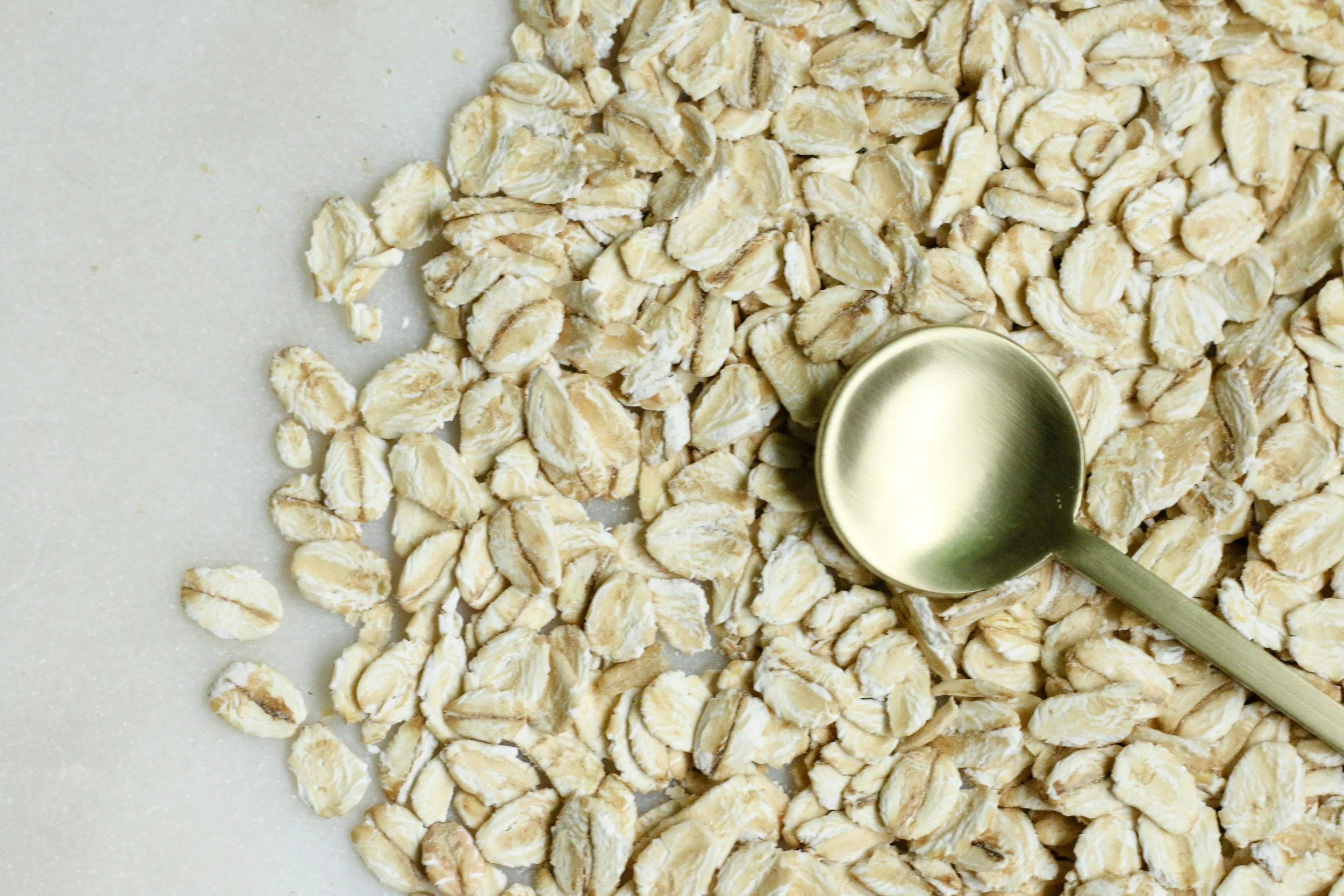
A bowl of natural oats with a gold spoon, representing oat-based skincare and eczema remedies
Oat baths are often one of the first natural remedies people reach for when dealing with eczema. When skin is inflamed, itchy and crying out for relief, they are widely recommended and easy to prepare at home.
On the surface, they seem beautifully soothing.
But in practice, particularly for those navigating chronic eczema or topical steroid withdrawal, oat baths are not always as supportive as they are made out to be.
In some cases, they may even be contributing to ongoing flares.
Let’s explore why, gently and honestly.
Why Oat Baths Can Be Problematic for Eczema
Colloidal oatmeal is known for its anti-inflammatory properties. It can temporarily calm itching and create a soft, comforting layer on the skin.
But eczema is not simply a surface-level condition.
It reflects deeper imbalances involving the immune system, the skin barrier, the microbiome, and often the nervous system too.
So while oat baths may offer short-term relief from eczema symptoms, they do not address what is driving the inflammation underneath.
And for some, they can make things worse over time.
Oat Baths and Skin Sensitisation
One of the most important things to understand is this:
Oats are a food protein.
When the skin barrier is compromised, as it is in eczema, it becomes more permeable. This means substances applied topically can pass through more easily and interact with the immune system.
Repeated exposure to oat proteins through broken or inflamed skin can increase the risk of sensitisation.
In simple terms, the body may begin to recognise oats as a threat.
This is one reason why some children and adults who regularly use oat-based products later develop oat sensitivities or notice worsening eczema flares.
It is not that oats are inherently harmful, but the route of exposure matters when the skin barrier is impaired.
The Impact of Oat Baths on the Skin Microbiome
The skin is home to a delicate ecosystem of microbes that help regulate inflammation and protect against infection.
Oat baths can disrupt this balance.
Oats contain starches and sugars that can feed certain microbes on the skin, including those we do not want overgrowing, such as Staphylococcus aureus, which is commonly associated with eczema.
When this balance is disrupted, inflammation can deepen and the skin can become more reactive.
Why Oat Baths Can Create Confusion in Eczema Healing
Oat baths can feel nurturing and calming, and they often become part of a daily routine.
But if the skin continues to flare, or becomes more reactive, it can leave you feeling confused and disheartened.
You may find yourself wondering why nothing seems to be working, despite your best efforts.
This is where it can help to step back and look at the bigger picture.
Eczema healing is not about layering on more topical solutions. It is about supporting the body as a whole, rebuilding resilience from within while protecting the skin barrier in a way that does not overstimulate it.
A More Supportive Approach to Eczema Care
If oat baths are not helping, or you are questioning whether they are right for you, it may be time to simplify your approach.
I often guide clients towards:
Simple, lukewarm water bathing without additives
Reducing unnecessary topical products
Supporting the skin barrier with gentle, non-reactive care
Focusing on nourishment, both internally and externally
Regulating the nervous system, which plays a significant role in skin health
When the body feels safe, supported and nourished, the skin can begin to do what it is designed to do, which is heal.
A Gentle Reflection
If you are currently using oat baths for eczema, there is no judgement here.
This journey often involves unlearning as much as learning.
Rather than striving for perfection, the invitation is to stay curious and responsive to what your or your child’s skin is communicating.
You Don’t Have to Navigate Eczema Alone
If this resonates with you, and you are beginning to see your skin or your child’s skin through a different lens, know that you do not have to piece this together alone.
There is a quieter, more connected way to approach eczema healing. One that honours the body’s pace, supports it deeply, and moves away from the cycle of reacting and firefighting.
If you feel ready to be supported in that, I would be honoured to walk alongside you.
You are warmly invited to book a 1:1 consultation, where we can explore what is unfolding for you and begin shaping a path that feels both grounded and sustainable.
You can find more information and book here:
https://www.indigowellbeing.co.uk/book-an-appointment